Iraq’s Central Bank has outlined the reasons behind its decision to raise the dollar exchange rate against the Iraqi dinar, describing the move as an exceptional measure taken amid mounting economic pressures and declining oil revenues.
Central Bank media office director Haider Ghazi said the closure of the Strait of Hormuz and a decline in oil exports had reduced government income, prompting authorities to consider extraordinary measures to secure budget financing and maintain financial stability.
Ghazi acknowledged that the decision was made under urgent circumstances and could lead to economic repercussions, but said the authorities considered its impact less damaging than allowing the existing financial situation to persist.
He added that higher import costs could give locally produced goods greater room to compete, potentially supporting domestic industries and encouraging greater reliance on Iraqi products.
Regarding the parallel currency market, Ghazi said the gap between official and unofficial exchange rates is partly driven by trade conducted outside formal channels. He noted that some importers obtain dollars outside the official system to bring goods into the country without completing customs and tax procedures or undergoing required inspections.
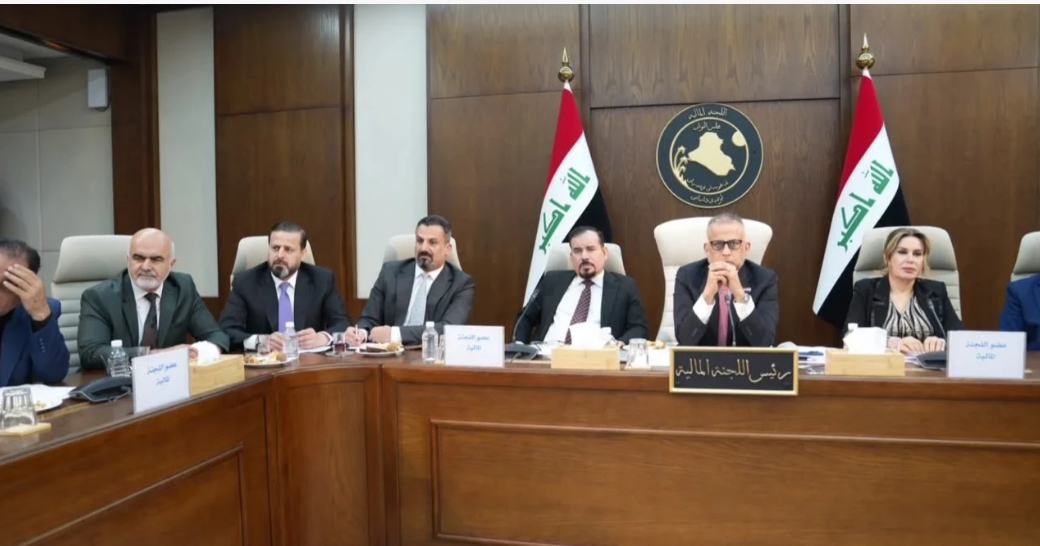
The government is working to strengthen border controls and tighten inspections of imported goods, while parliament is expected to discuss the decision and summon the Central Bank governor and finance minister to assess its consequences.