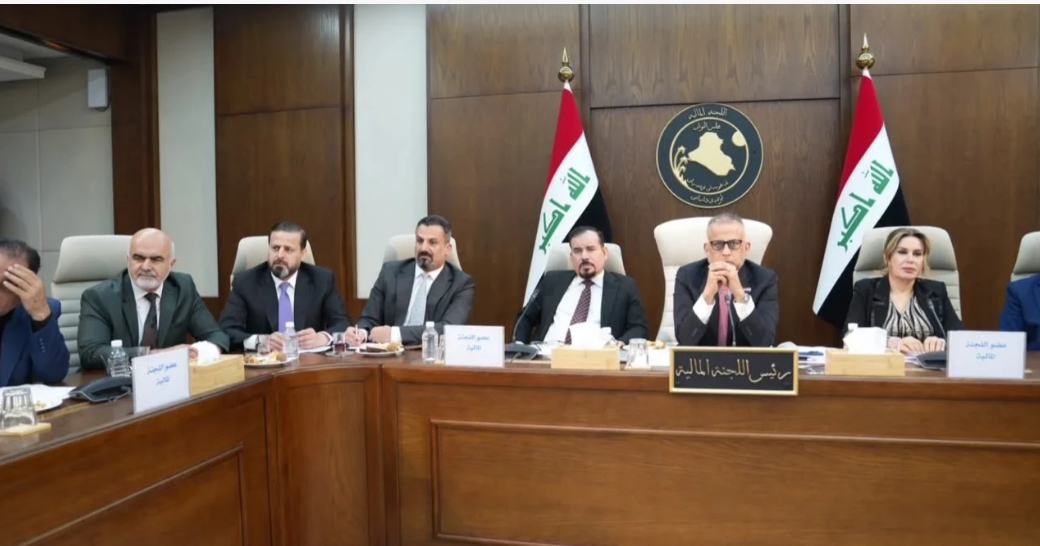
Legal researcher Ali Al-Tamimi said on Wednesday that the Iraqi Parliament has the authority to debate and amend the exchange rate stipulated in the state budget, but does not have the power to directly cancel the Central Bank’s exchange-rate decision.
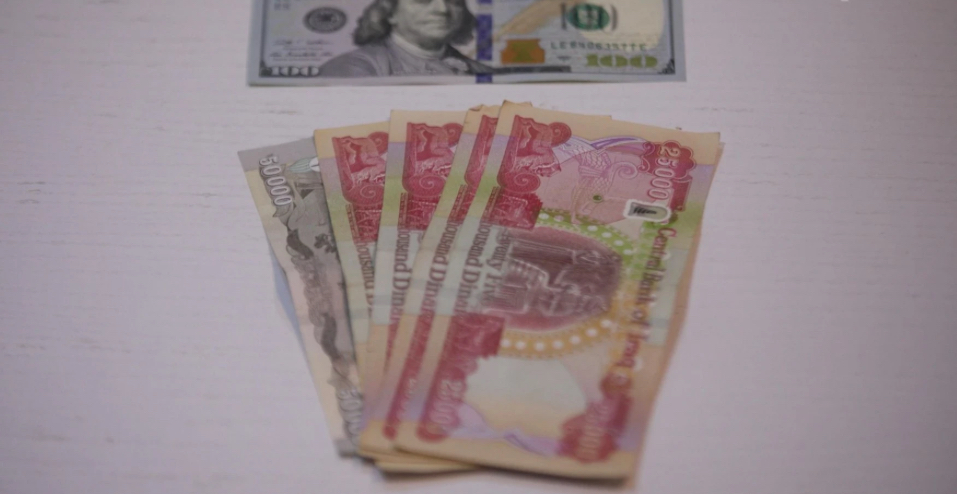
Al-Tamimi explained that Cabinet Resolution No. 22, issued during its session on October 6, 2026, based on a Central Bank recommendation and the Central Bank Law No. 56 of 2004, set the dollar’s purchase rate from the Ministry of Finance at 1,500 dinars, its selling rate to banks at 1,510 dinars, and its rate for the public at 1,520 dinars, effective October 7.
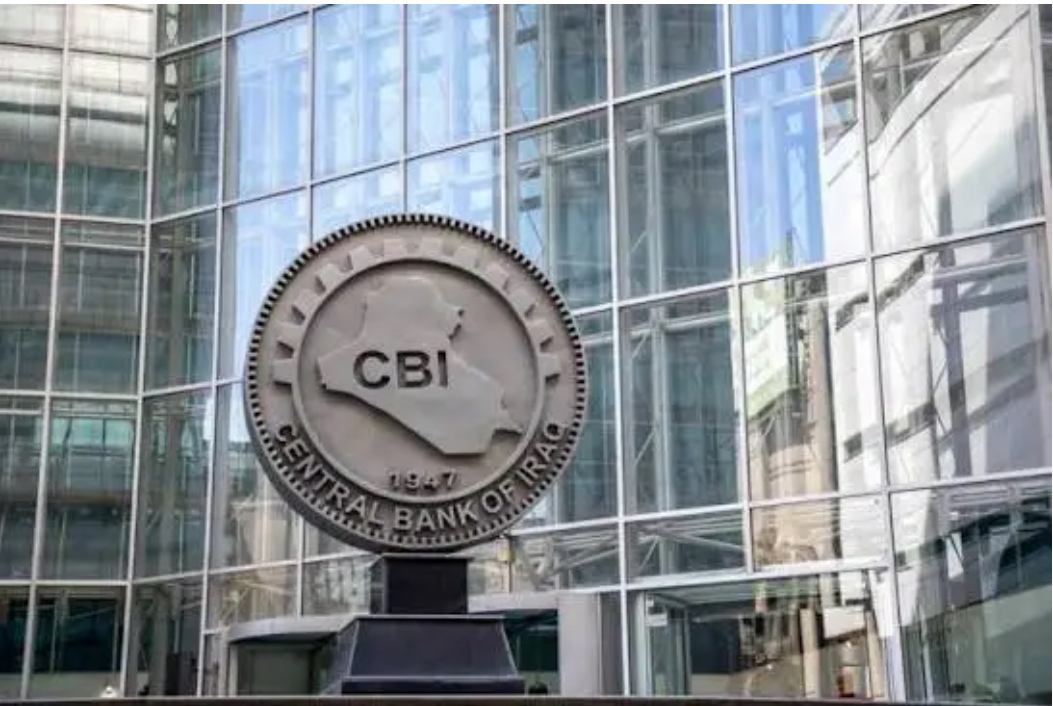
He noted that the Central Bank Law grants the institution the authority to formulate and implement exchange-rate policy, while its Board of Directors is responsible for developing that policy, citing relevant legal provisions and previous judicial rulings supporting the bank’s jurisdiction in this area.
Al-Tamimi said lawmakers can reject or seek to amend the exchange-rate provision in the budget, particularly if they believe the change could affect citizens’ purchasing power. However, he warned that blocking the entire budget as a means of pressuring the Central Bank could create constitutional and legal complications.
He added that continued failure to approve the budget would mean maintaining government spending under existing legal mechanisms, potentially affecting the implementation of projects and appointments while increasing uncertainty in the markets.
Al-Tamimi concluded that the most appropriate legal course would be to address the exchange rate through parliamentary debate on the budget and amend the relevant provision if necessary, while also allowing Parliament to question the Central Bank governor or challenge the decision before the Federal Supreme Court if valid legal grounds exist.