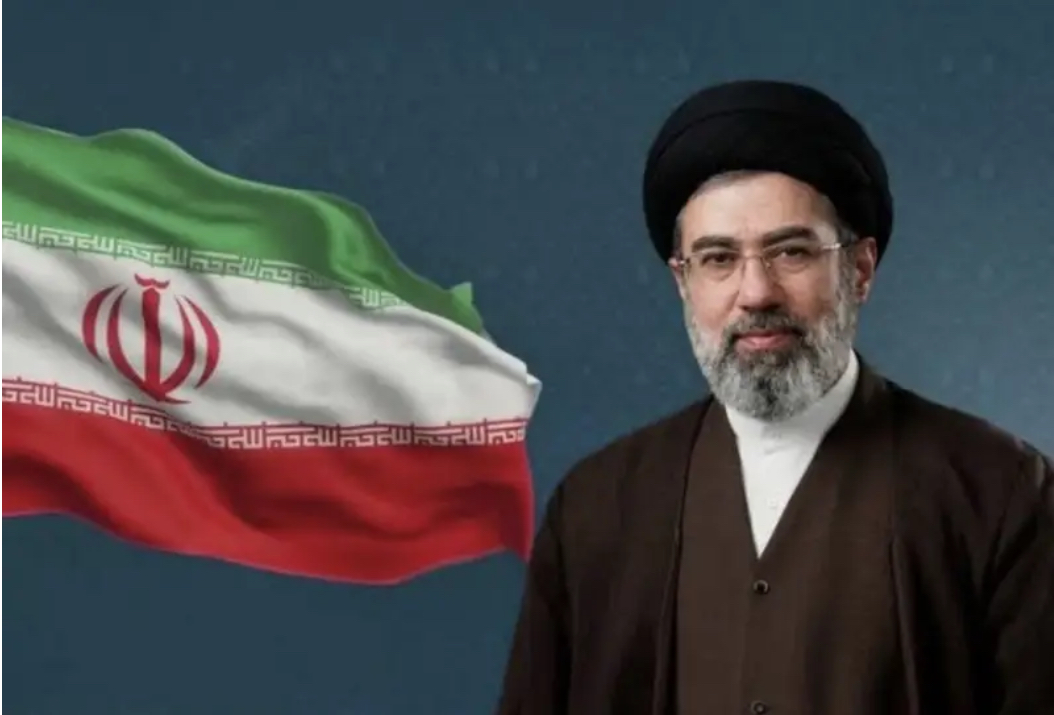
Iranian President Masoud Pezeshkian said Tehran’s proposal to reopen the Strait of Hormuz was prepared in coordination with Supreme Leader Mojtaba Khamenei, stressing that its implementation would face no major obstacles if the United States approves the plan and fulfills its commitments.
Speaking to CBS, Pezeshkian said Iran would likewise honor its obligations under the proposed arrangement. He also revealed that a six-member team had been formed to examine the proposal, bringing together representatives from several institutions, including the military, parliament and government.
The Iranian president said the team holds meetings to discuss the issues involved and has the authority to make decisions on the matters under consideration.
Addressing questions about Mojtaba Khamenei, Pezeshkian said the supreme leader was in good health and continuing to follow developments, adding that the injuries he suffered to his face and legs had improved. He attributed Khamenei’s continued absence from public view to security concerns, saying what he described as threats from Iran’s “enemies” had prevented him from appearing publicly.
Pezeshkian also said he had met Khamenei twice, with one of their meetings lasting around seven hours during which they discussed a range of issues.
The president’s remarks about the newly formed team, coupled with Khamenei’s prolonged absence from public appearances, have renewed questions surrounding his health, particularly since he has not appeared publicly since succeeding his father, Ali Khamenei, who was reportedly killed on the first day of the US-Israeli war against Iran.
According to previously cited sources, Mojtaba Khamenei sustained serious injuries during the attacks on February 28, including facial injuries and a fracture to his left leg. Since March, his messages have reportedly been delivered through Iran’s state media rather than through public appearances.
His continued absence has intensified attention surrounding the new supreme leader’s role at a time when Iran is facing one of its most serious political and security crises since the establishment of the Islamic Republic in 1979.