Global oil prices recorded a sharp decline on Monday as expectations grew that military tensions in the Middle East could ease following discussions between Iranian and Qatari officials on ending the US-Israeli war on Iran. The developments raised hopes of improved supply stability and reduced risks to regional energy flows.
Brent crude futures fell by $6.78, or 6%, to settle at $106.65 per barrel. Meanwhile, US West Texas Intermediate (WTI) crude dropped $6.37, or 6.1%, to $97.75 a barrel.
Both benchmarks had recorded more modest losses during morning trading before their declines widened in the evening.
The latest downturn follows Brent's close at a six-month high at the end of October, amid concerns that tensions between Washington and Tehran could escalate again, particularly around the US midterm elections.
Tim Waterer, a market analyst at KCM Trade, attributed the decline to a technical correction following last week's strong gains. He noted that hopes of diplomatic progress, coupled with the absence of major military escalation early in the week, had helped ease immediate pressure on prices.
Nevertheless, Waterer warned that the possibility of tougher rhetoric over Iran remained a significant concern for markets, potentially pushing Brent crude towards $120 per barrel after the US elections.
Iranian Foreign Minister Abbas Araghchi said that consultations with Qatari mediators were continuing, emphasizing that Tehran remained committed to pursuing diplomatic efforts while maintaining its defensive readiness.
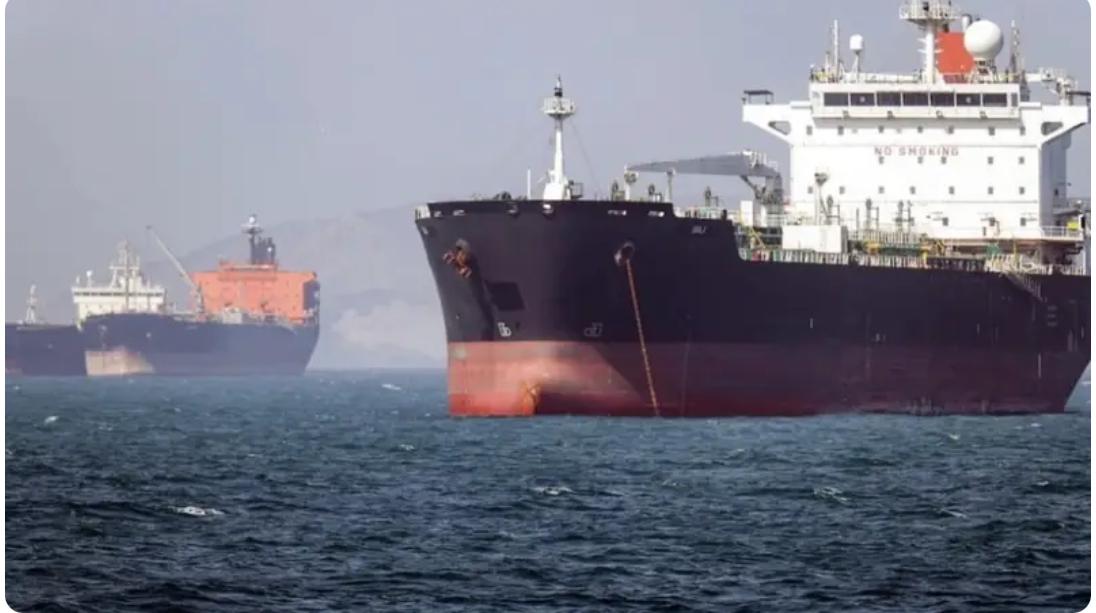
These developments come as attacks on oil tankers transiting the Strait of Hormuz continue, adding to global energy and shipping costs. Meanwhile, Saudi crude exports increased in October compared with September, according to data from two shipping-tracking companies, despite Houthi attacks on the kingdom's energy infrastructure.
Analysts at ING said recent fluctuations in oil prices indicated that markets were increasingly preparing for the possibility of renewed military confrontations between the United States and Iran.
On the production front, OPEC+ agreed to maintain its December output targets unchanged, reinforcing expectations that no further production policy adjustments would be introduced before next year. The group continues to face challenges stemming from disruptions to oil exports linked to the conflict involving Iran.
Saudi Arabia, Russia, Iraq, Kuwait, Algeria, Kazakhstan and Oman took part in the virtual meeting, according to an OPEC statement.