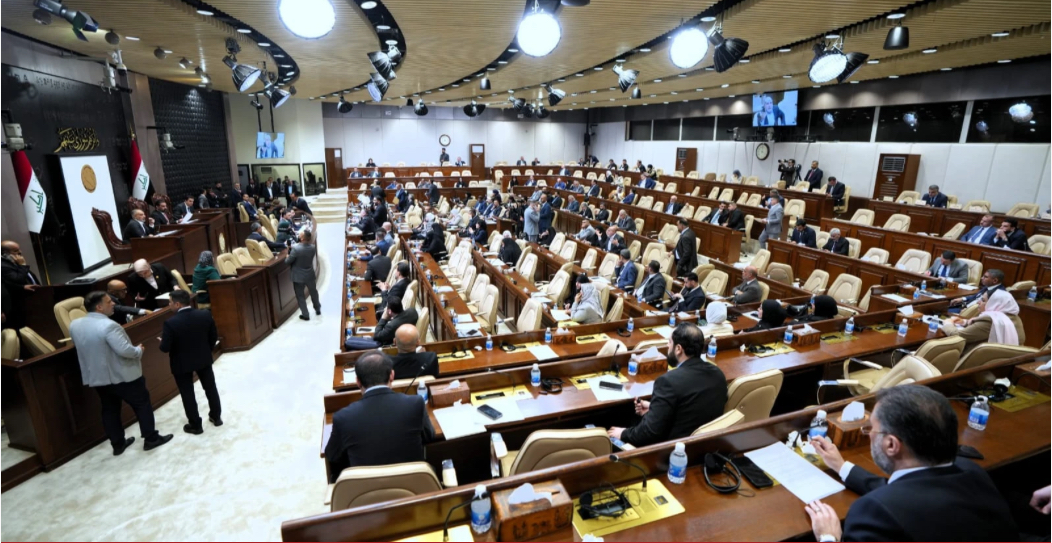
Iraqi parliamentary blocs have reached an initial agreement on appointing the chairpersons of 15 out of 20 permanent parliamentary committees, a parliamentary source said Thursday, while disagreements continue over the leadership of five key committees.
The source said the Speaker of Parliament had intensified consultations and meetings with political blocs to finalize the distribution of committee leadership positions. The preliminary agreement also includes restructuring the permanent committees and reducing their number to 20 through mergers and the creation of a new committee.
However, the leadership positions of the Finance, Oil, Integrity, Security and Defense, and Electricity committees remain unresolved, with political parties yet to reach a final agreement on their nominees.
On Wednesday, Firas Al-Maslmawi, a member of the Reconstruction and Development Coalition, said Thursday’s parliamentary session was expected to include a vote on allocating committees among parliamentary blocs. The process would cover the chairpersons of selected committees, their deputies and rapporteurs. He expressed confidence that most proposed nominees would secure approval, although discussions over some deputy chair positions were expected to continue.
A separate parliamentary source explained that the committees are divided into three categories—A, B and C—under a political agreement preventing a bloc from chairing a committee if one of its ministers oversees a portfolio directly related to that committee’s responsibilities.
Meanwhile, a source within the Coordination Framework said the group’s regular leadership meeting, scheduled for Monday, had been postponed because negotiations over several parliamentary committee chairmanships remained incomplete.
On February 17, 2026, Parliament approved amendments to its internal regulations establishing 22 permanent committees, including a unified committee for Culture, Media, Tourism and Antiquities. Lawmakers subsequently voted on the membership of 11 committees on March 11, while the allocation of leadership positions remained subject to political negotiations.